

Information checked on 27 October 2026. This is general guidance; follow the preparation instructions given after your own consultation and patch test.
If you are planning laser hair removal, what should you do when hair grows between appointments? In most cases, avoid methods that pull hair out from the root and use shaving only as directed by your clinic.
For patients visiting Defyne Aesthetics in Longridge, near Preston, understanding the difference can help prevent a cancelled appointment and give the laser an appropriate target.
Why waxing and plucking can disrupt laser treatment
Laser hair removal uses light absorbed by pigment in the hair. The energy becomes heat in and around the follicle, with the aim of reducing regrowth. Waxing, tweezing, threading and electrolysis remove or disturb hair within the follicle. If that pigmented target has been pulled out, there may be less for the laser to act on.
Reputable clinical guidance commonly advises stopping waxing, plucking or electrolysis for at least four weeks before treatment. Your clinic may recommend a different interval for your treatment area and growth pattern, so its written instructions take priority.
Why shaving is usually different
Shaving cuts visible hair at the skin’s surface rather than pulling it from the root. This normally leaves the part within the follicle available for treatment. Removing long surface hair can also reduce the chance of it absorbing heat above the skin.
The timing still matters. Some clinics ask patients to shave the day before treatment; at a first consultation, a practitioner may need to see the hair colour and thickness. Check the instructions supplied by your clinic rather than guessing.
Use a clean razor and do not repeatedly shave irritated skin. If shaving causes cuts, a rash or inflamed follicles, contact the clinic before attending. Treatment may need to wait until the skin has settled.
What about hair-removal creams?
Depilatory creams dissolve hair close to the surface rather than pulling it out like wax, but they can irritate the skin. Ask your practitioner before using one during a laser course. Do not try a new product immediately before treatment or use it on broken, sore or irritated skin.
Other preparation points that matter
Tell your practitioner about recent tanning or sun exposure, self-tan, medicines, skin conditions, cold sores and any history of unusual scarring. The American Academy of Dermatology advises patients to disclose these details and avoid tanning and sunless tanners before treatment.
Defyne uses the Cynosure Elite MPX, with 755 nm Alexandrite and 1064 nm Nd:YAG wavelengths. Settings are chosen after assessing the individual’s skin, hair and treatment area. This does not make every person or hair colour suitable: very light, grey, white and red hair may respond poorly because it contains less of the pigment needed as a target.
Temporary redness and swelling around follicles can occur. Burns, blistering, pigment changes, infection and scarring are less common but recognised risks. A patch test informs planning but cannot eliminate every risk. Results vary, and treatment aims for long-term reduction rather than guaranteeing that every hair will disappear.
A simple between-session routine
- Do not wax, pluck, thread or use electrolysis on the treatment area unless your clinic advises otherwise.
- Shave according to the timing given for your appointment.
- Avoid treating irritated, broken, infected or recently tanned skin.
- Tell the clinic about changes to medicines, health, tanning or skin condition.
- Allow treated hairs to shed naturally rather than pulling at them.
Frequently asked questions
I waxed by mistake. Should I cancel my appointment?
Contact the clinic, explain when you waxed and which area was affected, and let the practitioner advise whether the session should be moved. Do not simply arrive and assume treatment can proceed.
Can I shave throughout a laser hair-removal course?
Shaving is usually the preferred way to manage regrowth because it does not pull hair from the root. Follow your clinic’s timing and pause if the skin becomes cut or irritated.
Does shaving make hair grow back thicker?
Shaving creates a blunt edge, which can make early regrowth feel coarser, but it does not increase the number of follicles. Laser response depends on hair colour and thickness, skin tone, treatment area, hormones and the individual treatment plan.
Planning laser hair removal near Preston?
Defyne Aesthetics offers consultations and patch testing in Longridge for adults from Preston, Lancashire and the Ribble Valley. Read the clinic’s verified laser hair removal information to understand suitability, the Cynosure Elite MPX, risks and what happens at consultation. There is no obligation to begin a course.
Sources
- American Academy of Dermatology: Laser hair removal preparation — checked 27 October 2026.
- Mayo Clinic: Laser hair removal — checked 27 October 2026.
- ASA/CAP: Cosmetic interventions—non-surgical procedures — published 1 July 2025; checked 27 October 2026.
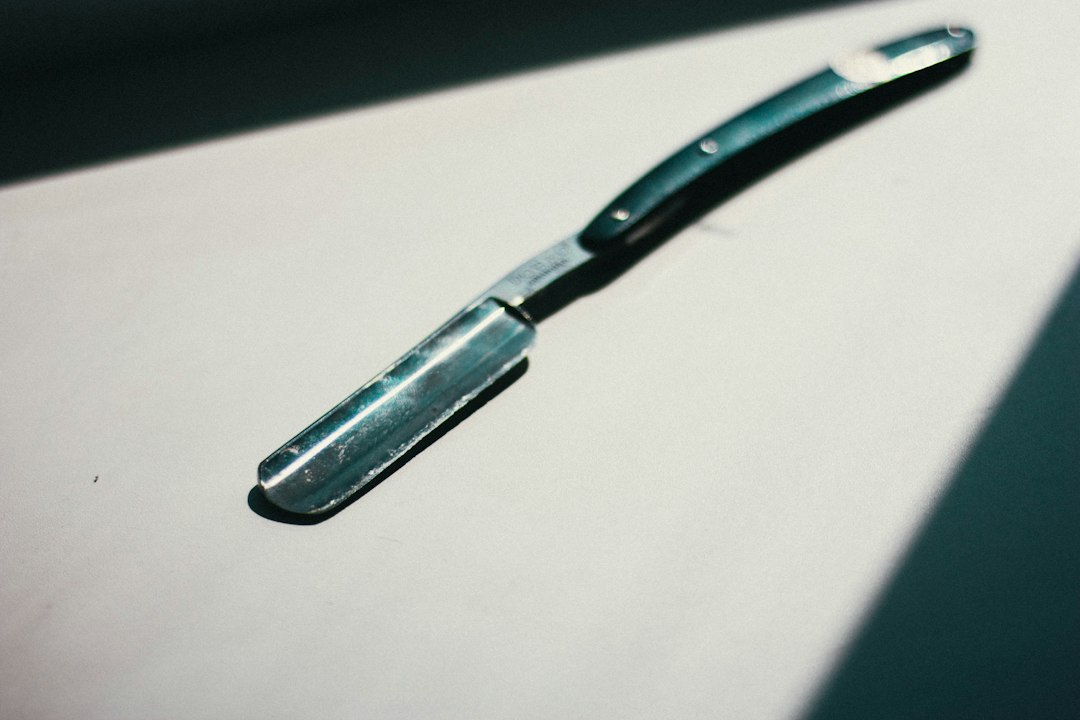
Featured image: licensed stock photograph by Illia Plakhuta via Unsplash. It is illustrative only and does not depict a Defyne patient, treatment or result.