
Under-eye PRF is sometimes discussed as a “natural” alternative for tired-looking eyes, but that description can hide an important point: dark circles, hollows, fine lines and eye bags have different causes. One treatment cannot correct all of them, and an assessment matters more than choosing a procedure from photographs or social media.
For patients considering under-eye PRF in Longridge, near Preston, this guide explains what current research suggests, what remains uncertain and which risks and limitations should be discussed first.
What is under-eye PRF?
Platelet-rich fibrin (PRF) is prepared from a small sample of the patient’s own blood. The sample is processed to separate a platelet- and fibrin-containing layer, which can then be injected into selected areas. Preparation methods, centrifuge settings and injection techniques vary, so “PRF” is not one completely standardised product across every study or clinic.
PRF is not the same as dermal filler. It does not provide the same predictable, immediate structural volume as a hyaluronic-acid filler. Changes, where they occur, tend to be gradual and may relate more to skin quality than to filling a pronounced hollow.
What does the evidence say about PRF around the eyes?
A 2025 systematic review examined 14 studies of injectable platelet-rich plasma (PRP) and PRF for the eye area. It reported that PRF showed promise for texture, fine lines and crepiness, but the durability of improvements was uncertain and changes often reduced over time. The authors concluded that larger, standardised randomised trials were needed.
A second systematic review, published in August 2026, included 26 studies. It found high patient satisfaction overall, but only moderate effects for pigmentation and mixed objective results for wrinkles and skin texture. Significant differences in how PRP and PRF were prepared made firm comparisons difficult.
These findings are encouraging enough to support further research, but they do not prove that everyone will see a visible improvement or that PRF is superior to other options.
Which under-eye concerns may respond—and which may not?
A consultation should identify what is creating the appearance. PRF may be considered when the main concern is fine crepey texture or mild skin-quality change. Results for pigmentation are less certain, and different types of dark circle may need different approaches.
PRF is unlikely to remove a prominent fat pad or “eye bag”. It cannot change bone structure, correct every tear-trough hollow or treat shadows caused mainly by facial anatomy. Allergy, eczema, rubbing, sleep disruption and some medical conditions can also contribute to a dark or tired appearance. Where a concern might have a medical cause, appropriate medical assessment comes first.
Suitability and risks to discuss
PRF involves both venepuncture and injections close to the eye. A consultation should cover medicines, supplements, bleeding or platelet disorders, anaemia, previous reactions, active infection, skin disease and any history of unusual bruising or healing. Pregnancy or breastfeeding and anticoagulant treatment may affect whether treatment is postponed or avoided. Do not stop prescribed medicine without advice from the prescriber.
Possible short-term effects include tenderness, redness, swelling and bruising. Results can be uneven or less noticeable than hoped, and a course of treatment may still not achieve the desired change. Infection and other injection-related complications are possible even though the material comes from the patient’s own blood.
Seek prompt clinical advice for increasing pain, marked or worsening swelling, spreading redness, discharge, skin colour change or any unexpected symptom. A visual disturbance after an injection around the eye requires urgent medical assessment.
A November 2026 regulatory update
The UK Government updated an open consultation on 2 November 2026 proposing tighter restrictions for high-risk cosmetic and wellbeing procedures in England. The proposals include procedures in which a therapeutic product derived from human blood or plasma is introduced into the body, with PRP named as an example.
Although PRF is not named separately in the summary, the broader wording appears relevant because PRF is also derived from the patient’s blood. This is an inference from the consultation wording, and the proposals are not the same as rules already in force. They nevertheless underline why patients should ask who is assessing them, who will perform treatment and how complications are managed.
Frequently asked questions
Does PRF fill an under-eye hollow like dermal filler?
No. PRF and dermal filler behave differently. PRF may be considered for skin-quality concerns, but it should not be presented as a direct substitute for predictable structural volume.
How many under-eye PRF sessions will I need?
Published protocols vary, which is one reason research is difficult to compare. The number and spacing of sessions should be discussed after assessment rather than promised in advance, and treatment cannot guarantee a particular result.
Will PRF remove dark circles or eye bags?
Not reliably. Dark circles can involve pigment, visible vessels, thin skin, shadowing or lifestyle and medical factors. Prominent bags may be caused by fat pads or laxity. PRF may not address the main cause.
Considering PRF near Preston?
Defyne Aesthetics offers individual PRF consultations in Longridge, near Preston, for patients from Lancashire and the Ribble Valley. A consultation can clarify the concern, discuss alternatives, review suitability and explain realistic recovery and limitations before you decide.
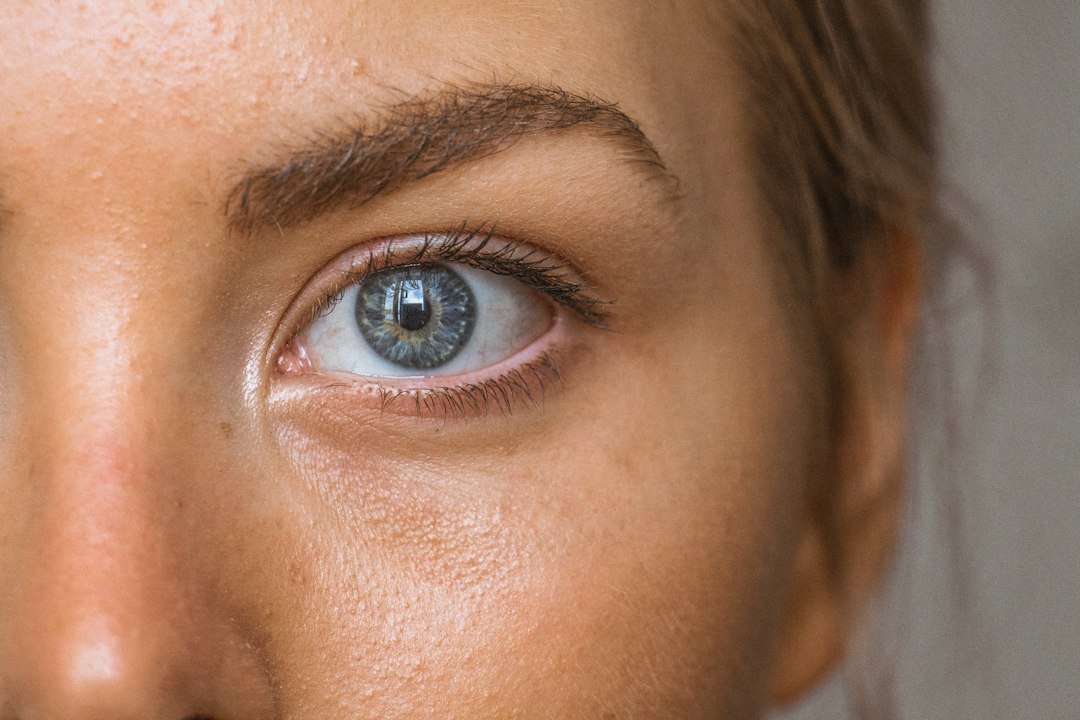
Sources and further reading: Sollitto et al., systematic review of PRP versus PRF for periorbital rejuvenation (November 2025); Tai et al., systematic review and clinical applications (August 2026); DHSC consultation on high-risk cosmetic and wellbeing procedures (updated 2 November 2026); CAP AdviceOnline: non-surgical cosmetic interventions (1 July 2025). Featured photograph by Amanda Dalbjörn via Unsplash; stock image used for illustration, not a Defyne patient.