

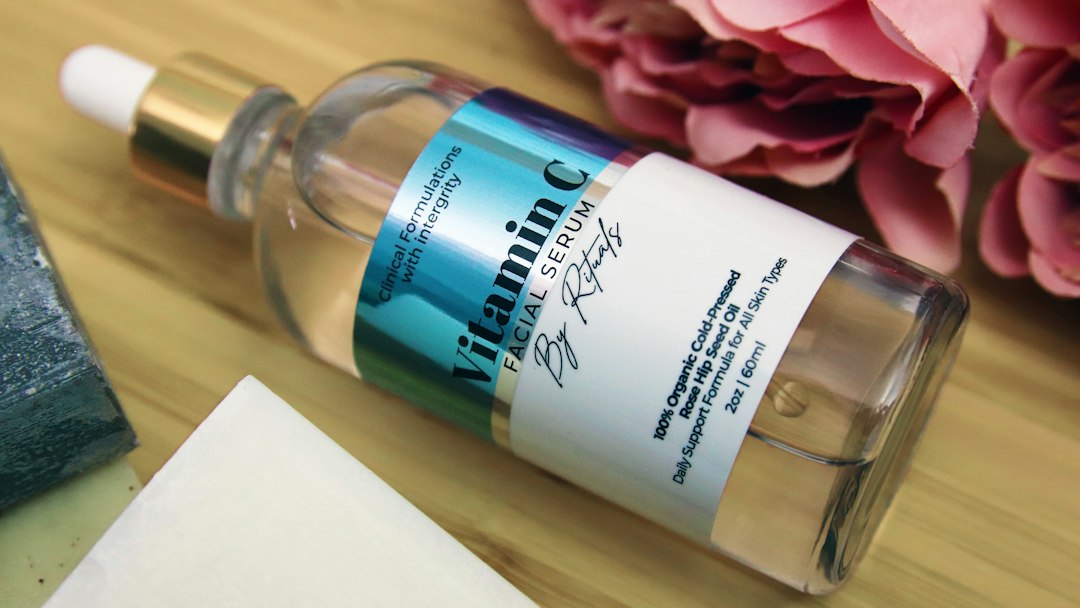
Vitamin C serum cannot replace sunscreen. Although both products may appear in the same morning skincare routine, they perform different jobs. A cosmetic vitamin C serum is not tested or labelled with a sun protection factor (SPF), so it should not be relied upon to protect skin from ultraviolet radiation.
This distinction matters for anyone concerned about uneven tone, visible sun damage or maintaining results after an aesthetic treatment. Here is a practical guide for patients in Preston, Longridge and the wider Ribble Valley who are considering a non-prescription vitamin C product such as an Obagi Professional-C serum.
What does a vitamin C serum do?
Vitamin C is used in cosmetics as an antioxidant ingredient. Obagi describes its Professional-C range as containing L-ascorbic acid and intended to help brighten and even the appearance of skin tone while improving the appearance of fine lines. These are cosmetic appearance claims, not a promise to treat a medical pigmentation disorder.
Results vary with the formulation, concentration, packaging, how consistently the product is used and how well an individual’s skin tolerates it. Stronger is not automatically better. A high-strength serum that repeatedly stings or inflames the skin may be less useful than a gentler product that can be used comfortably and consistently.
Vitamin C also should not be described as a quick cure for hyperpigmentation. In April 2026, the Advertising Standards Authority upheld a complaint about a different brand’s claim that a vitamin C-containing serum was “clinically proven” to reduce hyperpigmentation in two weeks because the supporting evidence was not sufficiently robust. This is a useful reminder to be cautious with dramatic timescales and before-and-after promises.
Why sunscreen is still essential
Sunscreen is specifically formulated and tested to reduce the amount of ultraviolet radiation reaching the skin when it is applied correctly. The British Association of Dermatologists recommends at least SPF 30 with high UVA protection, together with clothing and shade. It also explains that no sunscreen provides 100% protection.
A vitamin C serum has no SPF rating and does not replace these measures. Using serum while omitting sunscreen can undermine a routine intended to improve the appearance of uneven tone, because ongoing ultraviolet exposure may contribute to further visible pigmentation and premature skin ageing.
Daily protection remains relevant during Lancashire’s cooler or cloudy months. UVA can still reach exposed skin when the weather does not feel hot, while outdoor time, driving and proximity to windows vary from person to person.
Which product goes first?
Always follow the directions supplied with your particular products, but a simple morning order is usually:
- gentle cleanser;
- vitamin C serum on clean, dry skin;
- moisturiser if needed; and
- broad-spectrum sunscreen as the final skincare step before makeup.
Sunscreen needs to be applied generously to exposed areas. The British Association of Dermatologists advises applying it 15–30 minutes before going outdoors and reapplying every two hours when outside, especially after swimming or towel drying. Product-specific instructions still take priority.
There is no benefit in building an unnecessarily complicated routine. The American Academy of Dermatology notes that introducing several anti-ageing products over a short period can irritate the skin. Adding one product at a time makes it easier to identify what is helping and what may be causing sensitivity.
Irritation, limitations and when to pause
Vitamin C products can cause stinging, dryness, redness or irritation, particularly when combined with several exfoliating acids, retinoids or recent in-clinic procedures. Patch testing and gradual introduction may be sensible for reactive skin. Stop using a product and seek advice if irritation is persistent, painful, blistering or associated with swelling.
People with suspected melasma, persistent dark patches, a changing pigmented lesion or an unexplained rash should not rely on a cosmetic serum for self-diagnosis. A practitioner may recommend medical assessment before suggesting skincare or treatment. Prescription products should only be used following an appropriate consultation and are not covered by this article.
Frequently asked questions
Can I use vitamin C instead of SPF on cloudy days?
No. Vitamin C is not a sunscreen and has no SPF rating. Use suitable broad-spectrum sun protection according to the product instructions and combine it with shade and protective clothing when appropriate.
Should vitamin C go on before or after sunscreen?
It is generally applied before moisturiser and sunscreen. Sunscreen is normally the final skincare step. Check the directions for each product because formulations can differ.
Is a 20% serum always better than 10%?
No. Concentration is only one part of a formulation, and tolerance matters. A stronger product may cause more irritation for some people. Choose according to your skin, current routine and professional advice rather than assuming the highest percentage gives the best result.
Building a skincare routine near Preston
Defyne Aesthetics can discuss non-prescription Obagi vitamin C serums, moisturisers and daily sun protection as part of a simple routine. Read more about the clinic’s verified skincare products and consultation options near Preston.
Sources checked 17 November 2026: Obagi Professional-C product information; British Association of Dermatologists sun-protection guidance, updated January 2025; American Academy of Dermatology skincare guidance; and ASA ruling on vitamin C serum claims, 22 April 2026.
Featured image: stock photograph by Sticker it via Unsplash. The unbranded container is illustrative and does not show an Obagi product.