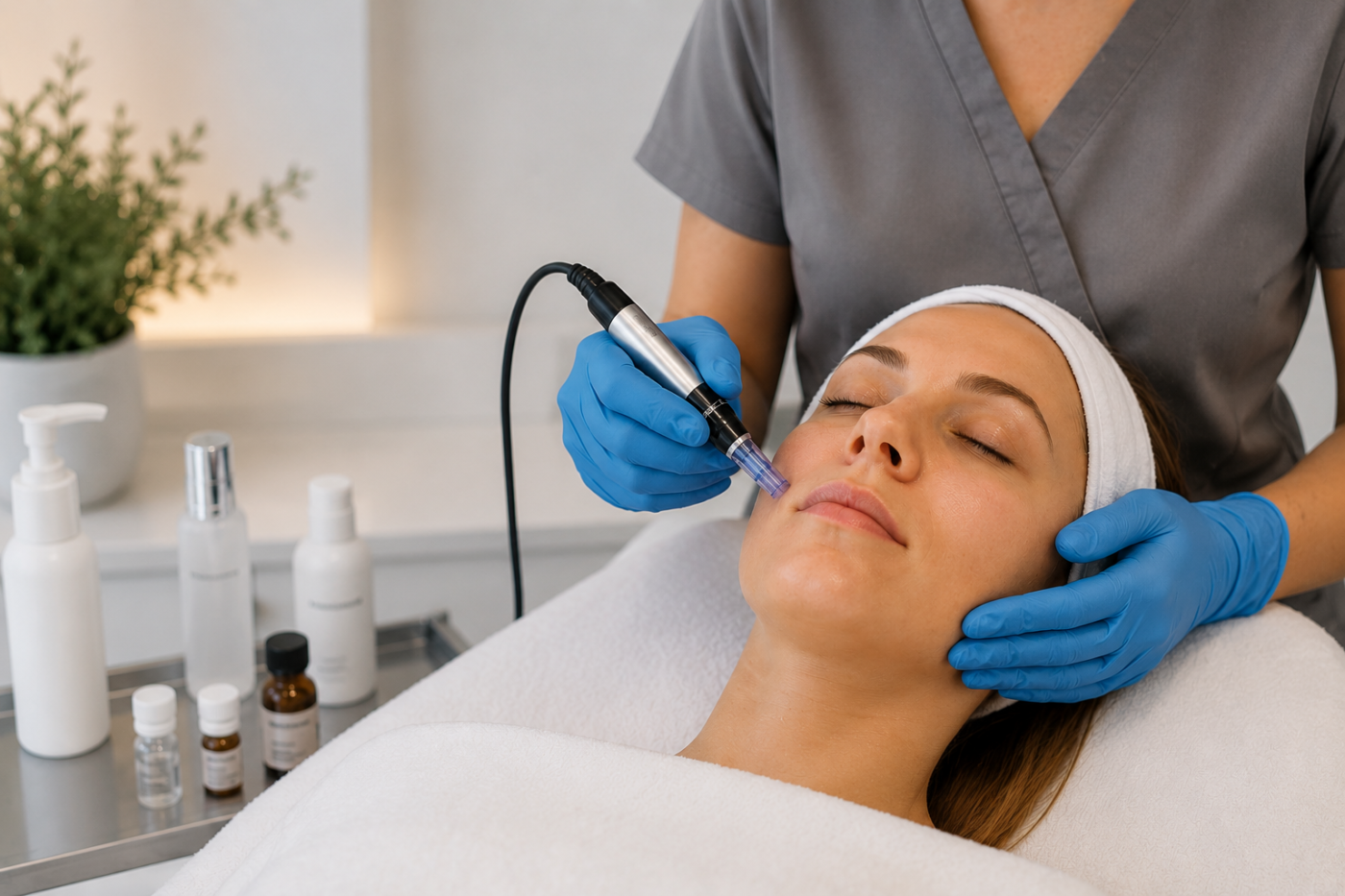

A few coarse hairs on the chin can become a daily concern. For others, it is persistent facial hair, abdominal hair or growth that returns sooner than expected after shaving or waxing. So, does laser hair removal work on hormonal hair? In many cases, yes: laser treatment can achieve a significant and lasting reduction in visible hair. However, because hormones can continue to stimulate new follicles, the right expectations and a tailored maintenance plan matter.
Hormonal hair growth is not a reason to rule out laser treatment. It is a reason to choose it carefully, with an experienced practitioner who can assess the area, your skin and hair type, medical history, and the pattern of growth before treatment begins.
Does laser hair removal work on hormonal hair?
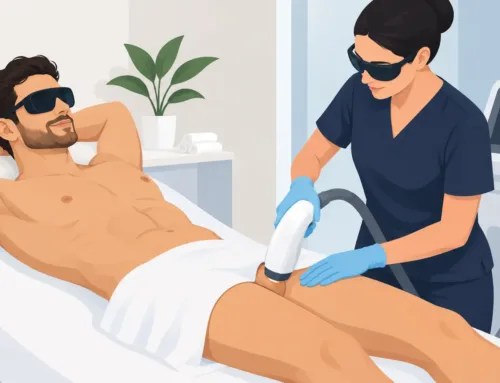
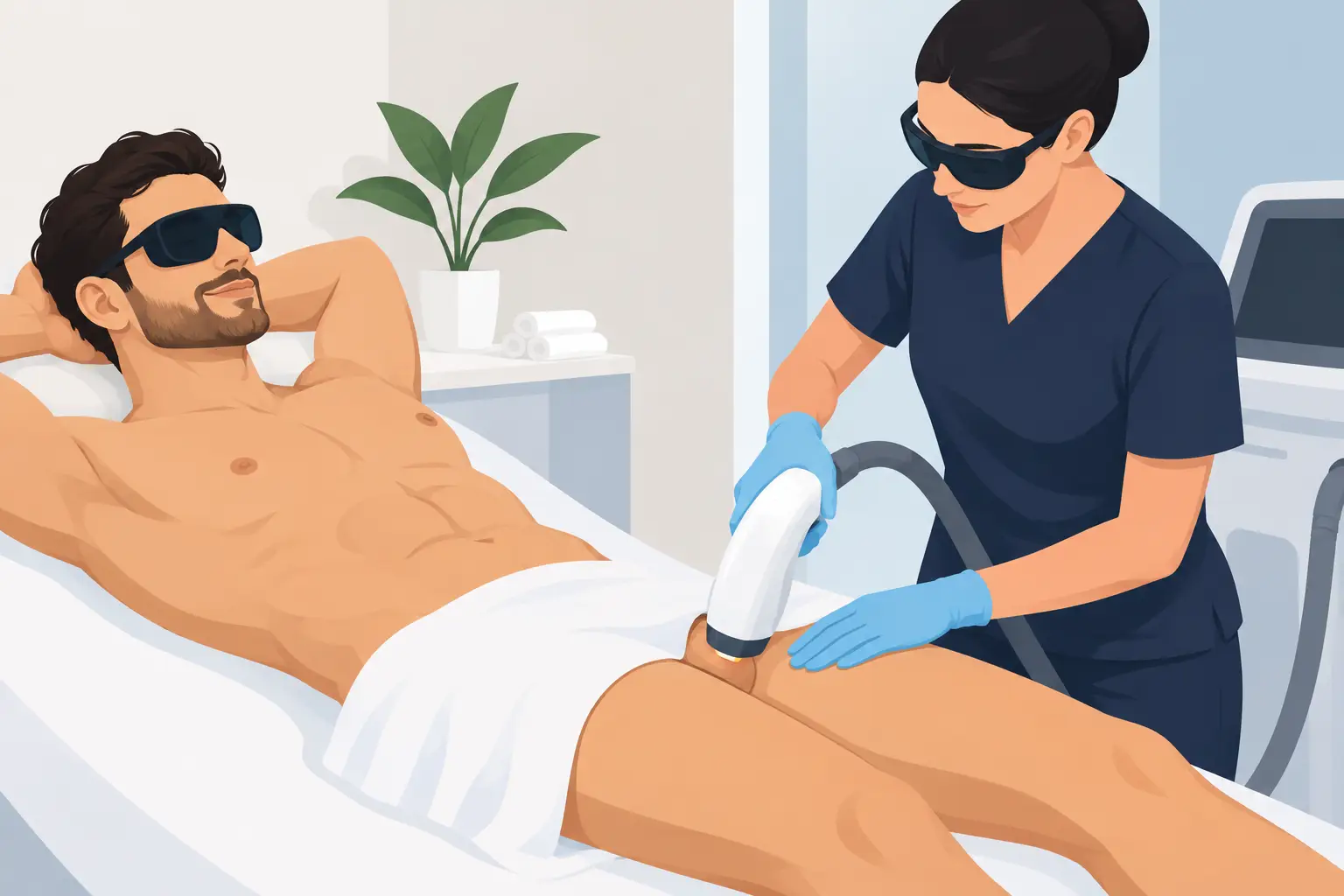
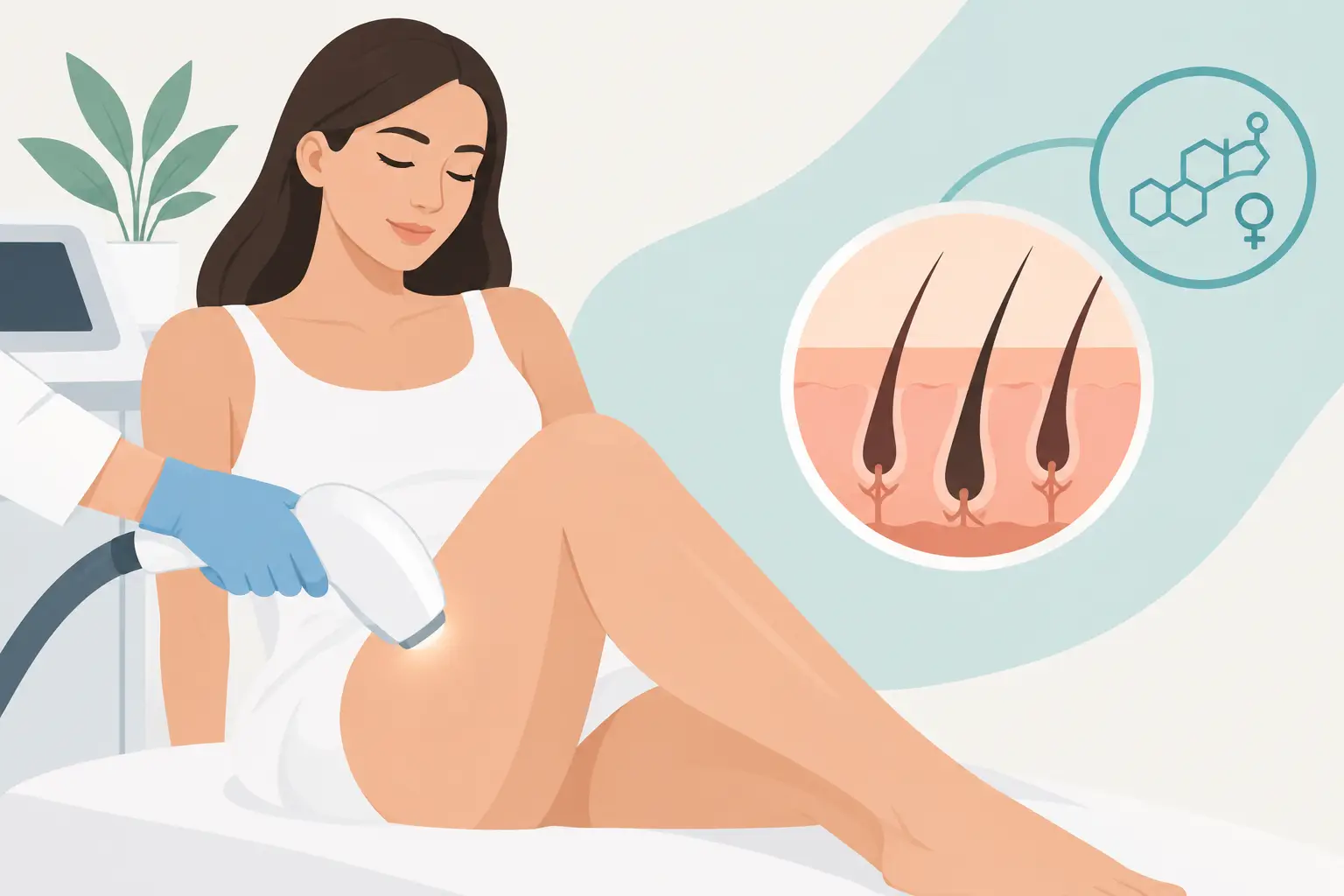
Laser hair removal works by directing light energy towards melanin, the pigment within the hair. The heat travels down the hair shaft to disrupt the follicle while it is in an active growth phase. Over a course of treatments, this reduces the number of hairs that can grow back and often makes any remaining hair finer, lighter and easier to manage.
The laser does not alter the underlying hormones causing the growth. This is the key distinction. If a hormone imbalance continues to encourage follicles to become active, new hairs may develop over time, particularly on hormone-sensitive areas such as the chin, upper lip, jawline, neck, chest and lower abdomen.
That does not mean treatment has failed. It means hormonal hair requires a longer-term approach than hair growth driven mainly by genetics or a single area of unwanted body hair. Many clients still see a worthwhile reduction in the density, thickness and frequency of hair growth, but occasional maintenance sessions may be needed.
Why hormonal hair can respond differently
Hair grows in cycles, and laser treatment is most effective when hairs are actively growing. This is why a course is spaced over several weeks rather than carried out all at once. Hormonal changes can affect that cycle and recruit previously quiet follicles into producing visible hairs.
Polycystic ovary syndrome (PCOS) is one of the most common reasons for excess coarse hair growth in women, often called hirsutism. Other possible influences include perimenopause and menopause, pregnancy and post-partum changes, thyroid conditions, certain medicines, or changes in weight and insulin sensitivity. Sometimes there is no diagnosed condition, but the pattern of facial hair is still clearly hormone-influenced.
In these circumstances, laser treatment can effectively reduce hairs that are currently dark and coarse enough to be targeted. It cannot prevent every future hormone-stimulated follicle from producing hair. The outcome depends on how active the hormonal influence is, the area being treated, the contrast between the hair and skin, and consistency throughout the treatment course.
What results are realistic?
A clinical consultation should focus on reduction rather than a promise of complete, permanent hair removal. Most suitable clients notice that treated hair becomes patchier and slower to return across their course. Shaving may become less frequent, and irritation, ingrown hairs and the daily effort of removing unwanted facial hair can be reduced.
For hormonal facial hair, it is realistic to expect that a maintenance appointment may be helpful after the initial course. Some people need one occasionally, while others need them more regularly if their hormones are fluctuating. The interval is individual and should be based on what you are seeing, rather than booked automatically.
Body areas can sometimes be more predictable than the face. Underarms, lower legs and bikini areas often respond well because the hair tends to be darker and coarser, although everyone’s response differs. Facial treatment needs particular care because fine, soft hair is not always appropriate to laser. Treating unsuitable vellus hair can be ineffective and, in uncommon cases, may stimulate further growth in surrounding areas. This is why assessment is not a formality.
Suitability depends on hair, skin and medical history
Laser energy is attracted to pigment, so dark terminal hairs usually respond best. Very blonde, grey, white or red hairs contain too little pigment for standard laser hair removal to target reliably. This is true whether or not the growth is hormonal.
The technology and settings must also suit your skin tone. A practitioner should assess skin type, recent sun exposure, tanning products, current skincare and any medication that could make the skin more sensitive to light. A patch test is an essential safety step, allowing the skin’s response to be assessed before a full treatment.
During a consultation, be open about any changes in your health, menstrual cycle, medicines or diagnosed conditions. This information helps create a treatment plan that is safe and proportionate. If new, rapid or severe facial hair growth has appeared alongside acne, scalp hair thinning, irregular periods or other symptoms, it is sensible to speak with your GP as well. Laser treatment can manage the visible hair, but medical assessment may be appropriate for the cause.
Planning treatment around hormonal hair growth
A course of laser hair removal is usually needed because not every hair is in the correct growth phase at the same time. The number of sessions and spacing between them will depend on the area and your response. Hormonal areas, especially the face, may need more sessions than other regions.
Between appointments, shaving is generally the preferred method of hair removal because it leaves the follicle intact for the laser to target. Waxing, plucking, threading and epilating remove the hair from the root, which can make the next laser session less effective. Sun exposure should also be managed carefully, as tanned or irritated skin may mean treatment needs to be delayed.
Progress photographs and regular review are useful for hormonal hair because change can be gradual. They give a clearer picture than judging growth day by day, particularly when a client has been used to removing hair frequently for years. Your practitioner can then adjust the timing of sessions or recommend maintenance when it is genuinely needed.
Can hormone treatment improve laser results?
Managing an underlying hormonal condition may help make hair growth more stable, but this is separate from laser treatment and should be discussed with a GP, endocrinologist or other appropriate medical professional. For example, some people with PCOS may be offered medical support to address symptoms or hormone levels. Others may choose laser treatment alongside their usual healthcare plan.
There is no requirement to have a formal diagnosis before asking about laser hair removal. However, understanding whether growth is stable, changing or linked to another health concern helps set realistic expectations. A responsible practitioner will not present laser as a cure for PCOS or any hormonal condition. It is a treatment for unwanted hair, not for the hormones themselves.
Why a clinical consultation matters
Hormonal hair growth can carry an emotional weight that is easy to underestimate. It may affect confidence, make close-up conversations uncomfortable, or create an exhausting routine of checking and removing hairs. A good consultation should be discreet, unhurried and free from judgement, with space to discuss the result you would like to achieve.
At Defyne Aesthetics Skin & Laser Clinic, laser hair removal is approached as a personalised treatment programme rather than a one-size-fits-all appointment. Assessing suitability, carrying out a patch test, selecting appropriate settings and reviewing progress are all part of treating the skin as carefully as the hair.
If hormonal hair has made you feel that laser treatment is not worth considering, the more accurate answer is that it may need a different plan. With suitable hair and skin, realistic expectations and professional review, laser can reduce the burden of unwanted growth and give you a more manageable, confident routine.